
Favorite Products For Bathtub Installations To Achieve Perfect Results
Choose from our favorite bathtub installation products designed to deliver professional-looking and lasting outcomes.
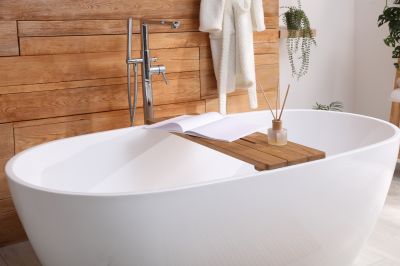 Installing a bathtub is a significant project that can enhance the functionality and aesthetic appeal of a bathroom. Whether undertaking a renovation or a new build, selecting the right products ensures safety, durability, and ease of maintenance. The process involves choosing appropriate fixtures, fittings, and accessories that match the space and the user’s needs. From selecting the correct tub material to ensuring proper drainage and sealing, every element plays a crucial role in the overall success of the installation.
Top Overall Option
A versatile bathtub installation kit
A comprehensive bathtub installation kit typically includes essential components such as a durable tub, waterproof sealants, mounting hardware, and drainage fittings. These kits are designed to streamline the installation process and ensure all parts work harmoniously together. They are suitable for various bathroom sizes and styles, offering flexibility and convenience for DIY enthusiasts or professional installers alike.
Types of Products For Bathtub Installations
Acrylic Bathtubs
Lightweight and easy to maintain, acrylic tubs are popular for their smooth finish and versatile design options.
Cast Iron Bathtubs
Known for durability and heat retention, cast iron tubs provide a classic look and long-lasting performance.
Fiberglass Bathtubs
Affordable and lightweight, fiberglass tubs are easy to install and repair if needed.
Corner Bathtubs
Designed to fit into corner spaces, these tubs maximize bathroom area and often include added features like jets.
Whirlpool and Jetted Tubs
Equipped with jets, these tubs offer massage features for relaxation and hydrotherapy.
Clawfoot Tubs
A vintage-inspired style, clawfoot tubs add character and elegance to traditional bathroom designs.
Walk-in Tubs
Designed for accessibility, walk-in tubs feature doors for easy entry and exit, suitable for users with mobility challenges.
Soaking Tubs
Deep and spacious, soaking tubs provide a comfortable space for relaxation and unwinding.
Drop-in Tubs
These tubs are installed into a custom-built deck or surround, offering a seamless look.
Undermount Tubs
Installed beneath the bathroom surface, undermount tubs create a sleek and modern appearance.
Alcove Tubs
Designed to fit into three-wall alcoves, these are common in standard bathroom layouts.
Freestanding Tubs
Stand-alone tubs that add a focal point to the bathroom and offer flexible placement options.
Tub Surrounds and Enclosures
Materials like tile, acrylic, or fiberglass surrounds protect walls and enhance aesthetics.
Drainage Fittings and Traps
Essential components for proper water flow and preventing leaks.
Waterproof Sealants
Sealants ensure a watertight barrier around the tub and surrounding surfaces.
Support and Mounting Hardware
Hardware that secures the tub in place and supports its weight during installation.
Access Panels
Allow for easy maintenance and inspection of plumbing beneath the bathtub.
Popular Choices
Widely used for their affordability and ease of installation, acrylic tubs come in many shapes and sizes.
Ideal for maximizing space, corner tubs are trending in modern bathroom designs.
Increasingly popular for accessibility, these tubs provide safety features and ease of use.
Their aesthetic appeal and flexibility in placement make freestanding tubs a popular choice.
Offering hydrotherapy features, whirlpool tubs are favored for relaxation and spa-like experiences.
Popular for custom bathroom designs, drop-in tubs blend seamlessly with surrounding surfaces.
Vintage charm and distinctive style keep clawfoot tubs trending in classic and eclectic bathrooms.
Affordable and lightweight, fiberglass remains a common choice for many installations.
Sleek and modern, undermount options are trending in contemporary bathroom renovations.
Standard in many homes, alcove tubs are favored for their space-efficient design.
Essential for secure installation, these hardware options are in high demand.
Reliable drainage components are crucial for proper water management.
Popular for ensuring long-term watertight seals around tubs and surrounds.
Proper planning is essential when preparing for a bathtub installation. This includes measuring the space accurately to accommodate the chosen tub size and style, as well as considering plumbing configurations. The materials used for installation, such as waterproof sealants and sturdy mounting hardware, contribute to a long-lasting setup. Additionally, accessibility features like grab bars or custom tiling can improve safety and usability, especially for users with mobility concerns.
The installation process itself may involve tasks like framing, waterproofing, and connecting plumbing fixtures. It is often recommended to work with experienced professionals to ensure compliance with local building codes and standards. Once installed, the right maintenance products can help keep the bathtub in optimal condition, preventing issues like mold, mildew, or leaks. Overall, careful selection of compatible products and thoughtful planning can lead to a seamless and functional bathtub setup that meets both aesthetic and practical needs.
Key Buying Considerations
- Size and dimensions of the bathtub to fit your bathroom space.
- Material type for durability, maintenance, and aesthetic preferences.
- Compatibility with existing plumbing and drainage systems.
- Installation method and whether professional help is needed.
- Accessibility features such as grab bars or walk-in doors.
- Drain and overflow configurations suitable for your setup.
- Weight of the tub and floor support requirements.
- Surround and enclosure options for waterproofing and style.
- Ease of cleaning and maintenance requirements.
- Cost and budget constraints for the project.
- Design style to match your bathroom decor.
- Additional features like jets, heated surfaces, or ergonomic design.
- Availability of replacement parts and warranty coverage.
- Local building codes and permit requirements.
- Environmental conditions such as humidity and ventilation considerations.